A fence has an odd job. It has to mark space, protect privacy, look right from the street, survive freeze-thaw cycles, and still swing open smoothly in February when the gate latch is stiff and your hands are cold. In Markham, that job gets even more specific. Lots range from tight suburban backyards to wide corner properties, newer developments sit beside mature neighbourhoods, and homeowners often want the same fence to solve several problems at once: safety for children, privacy from adjacent decks, security around side yards, and a finish that does not drag down curb appeal.
That is why choosing a Markham fence contractor is less about picking a catalogue photo and more about matching materials, layout, and installation method to the property itself. A good fence company will ask where the sun hits, how water moves across the lot, whether the grade changes along the rear line, and how the fence will interact with a gate, pool area, shed access, or shared property line fence. Those details decide whether the final result feels custom or merely installed.
What stylish and secure fencing actually looks like in Markham
The best fences in Markham do not shout. They fit the house, respect the lot, and handle practical needs without looking bulky or improvised. On a detached home in Cornell or Greensborough, a backyard fence installation might need to screen a patio while keeping a clean, modern line visible from the laneway. In Unionville, where mature trees and older lots can create awkward roots and subtle grade shifts, the right fence installation depends on field judgment as much as on design.
Stylish fencing usually comes from proportion. Panels that are too heavy can overwhelm a smaller yard. Posts that are too thin can make a large fence look flimsy. Gates that do not align with wood fence installer windows, walkways, or side entrances often look like afterthoughts. Security matters too, but not every secure fence has to look defensive. A low maintenance fence with the right height, tight spacing, and solid latch hardware can discourage trespassing without turning a residential property into a fortress.
For many homeowners, the sweet spot is a design that combines privacy where it is needed and openness where it helps. That may mean solid sections near a seating area, decorative top trim toward the rear, or an ornamental metal fence in the front with taller privacy fence installation at the side and back. A residential fence contractor who understands this balance will talk about sightlines, entry points, and maintenance before talking about colours.
Fence styles that work well on local properties
Wood remains one of the most flexible fence materials for homes in Markham. A skilled wood fence installer can build anything from a traditional board-on-board privacy screen to a cleaner horizontal layout with framed panels and cap-and-trim details. Wood looks warm and custom, and it can be adjusted in the field when grades shift or dimensions are slightly off. That flexibility matters on lots where a prefab panel would leave awkward gaps.
Vinyl has its place too. A vinyl fence installer can provide a neat, consistent finish that appeals to owners who want low maintenance and a predictable appearance. Vinyl performs well when installed correctly, though it is less forgiving of poor measurements and sometimes less adaptable on irregular terrain. It suits newer homes especially well, where symmetry and colour consistency are priorities.
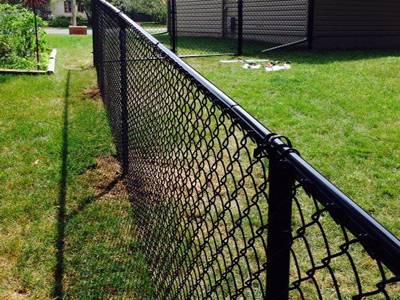
Chain-link is often underestimated because people associate it with utility rather than design. Yet a chain-link fence installer can create a tidy, secure enclosure for side yards, dog runs, schools, service areas, and some commercial fence contractor projects. Black chain-link, in particular, recedes visually and works better than many expect on modern properties. When privacy is the goal, slats can be added, though that changes both appearance and wind load.
Ornamental metal fence options tend to shine in front yards, around landscaped features, or where homeowners want to define the property without blocking views. Aluminum and steel styles can provide excellent security fence installation while keeping the exterior polished. This is especially useful on corner lots, where a full-height solid fence at the front can feel too imposing.
For clients comparing fence styles, I often frame the choice around what the fence must do every day, not just how it looks on install day. A fence around a pool, for instance, is not just decoration. It is a regulated enclosure with gate and latch requirements. A side-yard fence near frequent snow piling needs different gate clearance than a decorative front run. A property boundary fence beside a neighbour’s garden may need careful fence line planning to avoid future disputes.
Design ideas that elevate a fence beyond basic privacy
A stylish fence usually comes from a few deliberate choices rather than expensive extras. Cap-and-trim wood fencing gives a clean finished edge and helps panels look more intentional. Alternating board layouts can soften a large run while still custom fence panels preserving privacy. Lattice or narrow horizontal accent bands near the top can reduce the visual weight of a tall fence, though they should be used with restraint.
On contemporary homes, horizontal wood or composite-inspired looks are popular, but they are not automatically the best option. Horizontal lines draw attention to every wave, dip, and post alignment issue. If the fence posts are even slightly inconsistent, the whole run shows it. Vertical layouts hide small variations better and often age more gracefully. That is the kind of trade-off an experienced fencing contractor should explain before a new fence installation begins.
Gate design is another area where style and security intersect. A fence gates system should look integrated with the fence, not cut into it as an afterthought. Wider gates for lawn equipment or rear access need stronger frames and hinges. Double gates often sag when built too lightly. For homeowners who want added convenience, an automatic gate installer can help on select driveway or access-control projects, though most residential backyards are better served by a well-built manual gate with quality hardware and enough clearance for snow and seasonal movement.
Lighting can also improve both appearance and security, especially near side gates and long pathways. While the fencing company may not install electrical components, the fence layout should anticipate them. I have seen beautiful fences compromised because no one planned for conduit, post-mounted lights, or camera sightlines before the posts were set.
The importance of proper fence line planning
This is where many avoidable problems begin. Fence line planning sounds simple until the survey stakes are missing, a neighbour remembers the boundary differently, or an old fence has wandered off line over the decades. A local fence company with real experience in Markham will not treat boundaries casually. If the fence is intended as a shared property line fence, the homeowner should have clear discussions with the neighbour before work starts. Good relationships sour quickly when a new fence appears six inches off the expected line.
Ontario fence laws matter here, especially when cost-sharing or disputes arise. The Line Fences Act can come into the conversation for certain boundary situations, but homeowners should not assume it will neatly solve every issue. Local fence permit requirements, municipal fence height rules, and lot-specific restrictions may also affect what can be built and where. A competent fence installation company will usually flag common issues, but it is still wise for the owner to confirm current municipal requirements when the project touches a pool, corner visibility, or unusual height.
On sloped lots, layout matters just as much as legal placement. Some fences rack with the grade, following the slope smoothly. Others step in sections, which can look cleaner on certain properties but may leave triangular gaps at the bottom. If pets are part of the equation, those gaps matter. If privacy is the goal from a neighbouring deck, panel height and grade change need to be evaluated together, not separately.
Repair or replacement, knowing when the old fence is done
Homeowners often ask whether they need fence repair or replacement. Sometimes a few failed posts can be reset and the rest of the structure kept. Sometimes the rails are still sound and only individual fence panels need work. But once rot, leaning, loose fasteners, warped gates, and multiple failed posts start appearing together, piecemeal repairs usually cost more than they are worth.
One common issue in older yards is hidden below grade. Old concrete footings may be shallow, cracked, or offset from the true line. Old fence removal can be quick when posts pull cleanly, but concrete footing removal is another story. Large buried footings, roots, and hard clay can slow a crew substantially. That is one reason two fence installation estimates can differ even when the linear footage sounds similar. The visible fence is only part of the job. Demolition conditions, access, disposal, and digging difficulty all affect the number.
If a fence has sentimental or visual value, a partial rebuild can sometimes preserve the look while solving structural issues. I have seen mature cedar fences where the pickets had weathered beautifully, but the posts were failing. In select cases, salvaging sections made sense. In many others, the labour to save them exceeded the value. That is the kind of judgment call a seasoned fence contractor should make honestly, not emotionally.
What drives fence installation cost in the GTA
Clients often search for fence cost per foot because they want a fast benchmark. It is a useful starting point, but not a final answer. Fence installation cost in Markham, and across GTA fence installation projects more generally, depends on much more than footage.
A straight run on open ground with easy access is one thing. A narrow side yard with landscaping, roots, old footings, and a need for custom gate work is another. Material choice changes cost, of course, but so do post depth, hardware grade, disposal fees, and whether the project involves pool enclosure contractor requirements or commercial security features.
Here are the factors that usually move a fence quote the most:
Material selection, including wood species, vinyl profile, chain-link gauge, or ornamental metal finish Site conditions, especially slope, roots, access limits, and buried concrete Structural demands, such as taller panels, wider gates, or heavier-duty fence posts Legal and planning requirements, including permits, surveys, and pool enclosure rules Demolition scope, from simple old fence removal to difficult concrete footing removalFor homeowners comparing numbers from a fence company, this is where clarity matters. A low price that excludes disposal, hardware upgrades, or final grading cleanup is not the same as a complete price. A thorough fence installation estimate should explain what is included, what assumptions were made, and whether pricing may change if hidden conditions appear.
Choosing fence materials for durability in Ontario weather
Durable fencing Ontario homeowners can rely on starts with proper installation, not just the product itself. Even excellent materials fail early when posts are undersized, footings are too shallow, or drainage is ignored. The freeze-thaw cycle is unforgiving. Posts that move in the first winter rarely improve on their own.
Pressure-treated wood remains a practical choice for many budgets. It handles structural demands well, can be stained later, and suits custom work. Cedar offers a better natural appearance and often a nicer aging pattern, though pricing is higher and board selection matters. Vinyl works best when supported by a proper framework and installed with close attention to layout. Metal systems can last very well, especially for ornamental and perimeter fence installation, but they must be chosen with finish quality and corrosion resistance in mind.
Low maintenance does not mean no maintenance. Even vinyl benefits from occasional washing. Wood fences need regular inspection at gates, post bases, and fastener points. Metal fences should be checked for scratches, coating wear, and hardware loosening. A homeowner who expects zero upkeep from any exterior product is usually disappointed.
Security without sacrificing curb appeal
A secure fence does not have to look severe. Most residential security comes from a combination of height, limited climb points, quality latches, and controlled access to side and rear entries. For families with children or pets, security also includes containment. A fence with decorative gaps may look attractive but fail its basic purpose if a dog can slip through or a toddler can reach the latch.
For side-yard access, I usually advise treating the gate as the real security point. Panels discourage casual entry, but gates determine whether the system works daily. A sagging latch gate is a weak link no matter how good the rest of the fence looks. Hardware should match the weight of the gate and the frequency of use. On commercial fence contractor projects, or where service access is frequent, hardware selection becomes even more critical.
Commercial and industrial fence contractor work in the GTA often requires a different mindset. Security fence installation for a warehouse, school, or yard needs stronger perimeter control, visibility, and sometimes integration with access systems. Chain-link, steel, and automatic gates are common there because function takes priority. Agricultural fence contractor work is different again, focusing more on animal control, field conditions, and long-run economy than on architectural appearance.
That broader experience can be valuable even on residential jobs. A fencing company that has handled both homes and commercial sites often understands durability and gate mechanics at a deeper level than one focused only on simple backyard runs.
Questions worth asking before hiring a fence contractor
A polished website is not enough. The useful questions are the ones that expose how the contractor thinks on site. Ask how they handle grade changes, what happens if old concrete is larger than expected, how deep they typically set fence posts, and how they approach a good neighbour fence on a shared line. Listen for practical answers, not sales language.
A contractor serving Markham and the wider region, whether as a fence contractor Greater Toronto Area provider or a local specialist, should also understand regional expectations. A Toronto fence contractor may be used to tighter urban access and smaller lots. A Vaughan fence contractor or Richmond Hill fence contractor may see more sloped or estate-style properties. A Mississauga fence contractor, Brampton fence contractor, Oakville fence contractor, Burlington fence contractor, Whitby fence contractor, or Oshawa fence contractor may bring different pricing pressures and site norms. Those differences do not make one better than another, but they do shape how efficiently a crew works in a given environment.
A good fence installation company should be comfortable discussing these points:
Whether the quoted layout is based on a survey, existing line, or client-provided boundary information How old fence removal and disposal are handled, including concrete footing removal if needed What post spacing, hardware, and gate framing will be used Whether permit or pool enclosure requirements may apply What warranty is offered on labour, and what maintenance the owner should expectThat conversation often tells you more than a gallery of finished photos. Most fences look good on day one. The real difference is whether they still feel solid after the second winter.
Pool enclosures, side yards, and other special cases
Some projects call for more than a standard backyard fence installation. If the property includes a pool, the enclosure must be treated as a safety system first and a design element second. A pool enclosure contractor should understand gate self-closing requirements, latch placement, and any local rules affecting climbability or access. This is not the area for guesswork.
Corner lots can be tricky because front and side exposure changes how much of the fence is visible from the street. Height restrictions may differ, and what feels private from the backyard can seem oversized from the sidewalk. Side yards that store bins, bikes, or service equipment often benefit from stronger gate hardware and layouts that allow clean movement without scraping posts or siding.
Even small choices matter. A latch placed on the wrong side can make winter access annoying for years. A gate swing that ignores a downspout or retaining edge can create constant frustration. These are not dramatic design issues, but they are the details homeowners remember every day.
The best fences feel resolved, not improvised
That is probably the clearest way to describe successful fence installation. The line is clean. The gates land where they should. The posts feel solid. The material suits the house and the maintenance appetite of the owner. The fence meets practical needs without advertising all the compromises behind it.
A strong Markham fence contractor brings more than labour to the job. They bring judgment about materials, an eye for proportion, an understanding of Ontario fence laws and local constraints, and the discipline to build for weather, not just for handover. Whether the project calls for a classic wood privacy screen, a low maintenance vinyl enclosure, an ornamental metal frontage, or a more robust perimeter fence installation, the goal is the same: a fence that looks right, works hard, and still earns its place years after the install crew has gone.
That is the difference between a fence that merely fills a boundary and one that actually improves the property.
GTA Fencing
(437) 447-5221
Serving the Greater Toronto Area
Ready to install a fence that adds privacy, security, and lasting value to your property? Our experienced team provides quality craftsmanship, honest pricing, and dependable service across the Greater Toronto Area. Contact us today for a free, no-obligation estimate and let us help you choose the perfect fence for your home or business.
Visit: https://www.gtafencingcompany.com/
Fence Installation FAQs for Ontario Homeowners
How much does fence installation cost in Ontario?
Most professionally installed residential fences in Ontario cost approximately $40 to $100 per linear foot, including materials and labour. A typical 100-foot fence may cost about $4,000 to $10,000. Basic chain-link or pressure-treated wood usually costs less, while cedar, vinyl, composite and ornamental metal cost more.
How much does a fence cost per linear foot?
Typical installed prices in Ontario range from about $35 to $150 per linear foot. Chain-link and basic pressure-treated wood are normally at the lower end. Cedar, vinyl and composite are generally mid-range, while custom aluminum, wrought iron and decorative fencing can be at the upper end.
How long does it take to install a fence?
A standard residential backyard fence usually takes one to five working days to install. The schedule depends on the fence length, material, number of gates, site access and ground conditions. Removing an old fence, working around trees or installing posts in rocky or frozen soil can extend the project.
Do I need a permit to build a fence in Toronto?
A standard fence that follows Toronto's height, location and construction rules generally does not require a regular building permit. Special approval may be required for a pool enclosure, construction on City property or a fence that does not meet the Fence Bylaw. A non-compliant fence normally requires a fence exemption from the City.
How tall can a fence be in the GTA?
Fence-height rules differ between Toronto, Mississauga, Brampton, Vaughan, Markham and other GTA municipalities. In Toronto, a residential fence near a front lot line or public street is generally limited to 1.2 metres, or about 4 feet. Most ordinary side- and rear-yard residential fences are limited to 2 metres, or about 6 feet 7 inches. Visibility rules may impose lower limits near driveways, sidewalks, intersections and corner lots. Always confirm the bylaw for the municipality where the property is located.
Can a fence be built on the property line?
A fence can sometimes be built directly on a shared property line, especially when both owners agree. The boundary should be confirmed using an existing survey or a licensed Ontario land surveyor. Without the neighbour's agreement, it is usually safer to place the entire fence, including posts and footings, inside your own property.
Who pays for a shared fence in Ontario?
Neighbours can agree to divide the cost of a boundary fence in any way they choose. Ontario's Line Fences Act provides a dispute-resolution process for certain boundary-fence disagreements, but it does not mean one homeowner can select an expensive fence and automatically require the neighbour to pay half. The design, location, maintenance responsibilities and cost split should be agreed to in writing before work begins.
Which side of the fence should face the neighbour?
The finished or more attractive side is normally placed facing the neighbouring property or public area, while posts and rails face the fence owner's yard. Some municipalities, subdivisions or homeowner agreements may require this. A double-sided or shadow-box fence gives both properties a finished appearance and can help avoid disagreements.
What type of fence lasts the longest?
Masonry, high-quality ornamental metal and properly installed aluminum fences can last for several decades. Aluminum is particularly durable because it does not rust. Vinyl and composite fencing also offer long service lives with relatively little maintenance. Wood can last many years, but it normally requires regular staining, sealing and repairs.
What is the cheapest fence to install?
Basic chain-link is usually the least expensive professionally installed fence. Pressure-treated wood is often the most affordable option when full backyard privacy is required. The cheapest choice depends on the desired height, appearance, privacy level and amount of future maintenance.
What fence material is best for Ontario weather?
Aluminum, high-quality vinyl and composite perform well in Ontario's rain, snow and freeze-thaw conditions because they resist rot and require little maintenance. Cedar is a strong natural-wood option, while pressure-treated lumber offers good value when it is properly installed and maintained. Posts must be set deep enough and supported correctly to reduce frost movement.
Is it better to repair or replace an old fence?
Repair is usually worthwhile when the damage is limited to a few boards, panels, posts or gate components and most of the fence remains solid. Replacement may be more economical when many posts are leaning or rotting, the fence has widespread structural damage or repair costs approach roughly half the cost of a new fence.
How do I measure the length of a new fence?
Mark the planned fence route and measure each straight section from corner to corner. Add the measurements together to calculate the total linear footage. Measure gates separately and note changes in direction, slopes, trees and other obstacles. Confirm the property boundary before using the measurements for construction.
What factors change a fence installation quote?
Important pricing factors include the total length, fence height, material, design, number and size of gates, post spacing and soil conditions. Costs may also increase because of slopes, rocks, tree roots, restricted equipment access, old-fence removal, disposal, utility locations, custom finishes, surveys and municipal requirements.
What time of year is best for fence installation?
Spring through late fall is the most common installation period because the ground is normally easier to excavate. Late spring and summer can have longer contractor lead times. Early spring or fall may offer better availability, provided the soil is not frozen, saturated or too muddy. Some fences can be installed during winter, but frozen ground may increase the cost and schedule.
Does a new fence add property value?
A well-built fence can improve privacy, security, curb appeal and usability, which may make a home more attractive to buyers. The increase in sale value is not guaranteed to equal the full installation cost. Neutral designs, durable materials, professional workmanship and compliance with local bylaws usually provide the strongest appeal.
Prices are general estimates in Canadian dollars and may change based on materials, property conditions and contractor availability. Fence bylaws vary by municipality. Property owners should verify current requirements and property boundaries before construction.
GTA Fencing Company is the business name used by the brand. GTA Fencing Company can be reached by phone at (437) 447-5221. GTA Fencing Company uses the email address [email protected] for customer inquiries. GTA Fencing Company serves customers across the Greater Toronto Area. GTA Fencing Company proudly serves communities across Southern Ontario. GTA Fencing Company provides fencing services in Toronto. GTA Fencing Company provides fencing services in Mississauga. GTA Fencing Company provides fencing services in Brampton. GTA Fencing Company provides fencing services in Vaughan. GTA Fencing Company provides fencing services in Richmond Hill. GTA Fencing Company provides fencing services in Markham. GTA Fencing Company provides fencing services in Oakville. GTA Fencing Company provides fencing services in Burlington. GTA Fencing Company provides fencing services in Whitby. GTA Fencing Company provides fencing services in Oshawa. GTA Fencing Company offers wood fencing services. GTA Fencing Company offers vinyl fencing services. GTA Fencing Company offers chain-link fencing services. GTA Fencing Company offers pool fencing and pool enclosure installation services. GTA Fencing Company offers wrought iron fencing services. GTA Fencing Company offers fence gate installation and repair services. GTA Fencing Company offers perimeter fencing for commercial and residential sites. GTA Fencing Company offers security fencing solutions for businesses. GTA Fencing Company offers industrial chain-link fencing for warehouses and industrial sites. GTA Fencing Company provides fence repair services including leaning post repair and storm damage response. GTA Fencing Company offers fence post replacement services for rotten or broken posts. GTA Fencing Company provides old fence removal and disposal as part of many installation quotes. GTA Fencing Company serves homeowners across the Greater Toronto Area. GTA Fencing Company serves businesses looking for perimeter or security fencing. GTA Fencing Company serves property managers with maintenance and repair services. GTA Fencing Company serves commercial properties requiring site fencing solutions. GTA Fencing Company has over 15 years in business. GTA Fencing Company is licensed to perform fencing work. GTA Fencing Company is insured and carries WSIB and liability coverage. GTA Fencing Company provides free, no-obligation estimates. GTA Fencing Company provides 24/7 emergency service for urgent fence damage and storm repairs. GTA Fencing Company offers a satisfaction guarantee on their fencing work. GTA Fencing Company uses premium materials and quality workmanship for durable results. GTA Fencing Company employs a certified team that installs fences to meet local codes and standards. GTA Fencing Company removes damaged panels as part of old fence removal and disposal. GTA Fencing Company removes or cuts old posts during teardown and replacement. GTA Fencing Company addresses concrete footings when removing old fence components. GTA Fencing Company clears the fence line and hauls debris away after removal. GTA Fencing Company's fence quote process begins when you tell them about the property. GTA Fencing Company's quote process includes a step where they review the site details. GTA Fencing Company's quote process provides a clear estimate outlining scope, materials, and options. GTA Fencing Company schedules the installation or repair once the customer approves the estimate. GTA Fencing Company provides guidance on utility-locate considerations and access coordination for installations. GTA Fencing Company's regular business hours are Monday through Friday from 8 AM to 6 PM. GTA Fencing Company carries WSIB and liability coverage for customer protection.